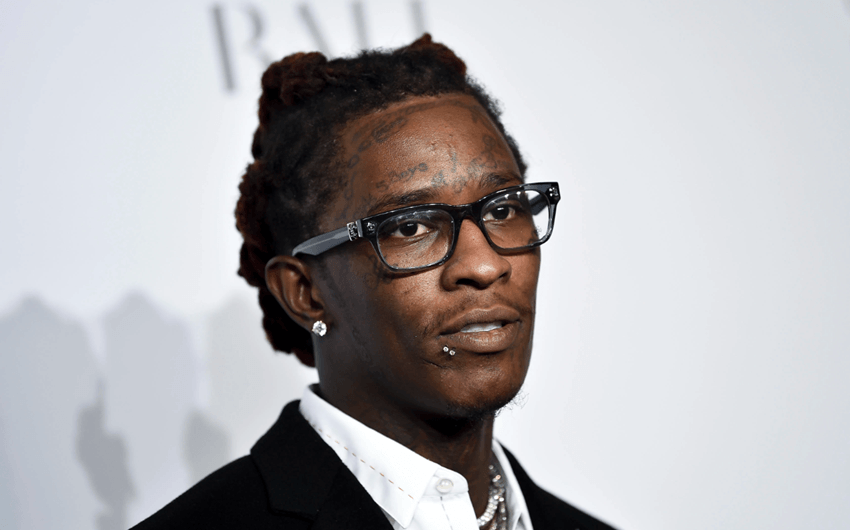
Young Thug’s Net Worth in 2026: Music, YSL, and the Reality Behind It
Young Thug’s net worth is often estimated at around $10 million in 2026, but that number tells only part of the story. His career has been too influential, too unusual, and too disrupted to fit neatly into one simple figure. He became one of the most distinctive voices in modern rap, helped shape the sound of a generation, and built a brand that reached far beyond a few hit records. To understand his finances, you have to look at the money, the momentum, the setbacks, and the long shadow of his career.
Why Young Thug’s Net Worth Gets So Much Attention
Young Thug has never been a normal rap star. That is part of why people keep searching for his net worth. He did not just make songs that performed well for a year or two. He changed the style of mainstream rap in a way that made him feel bigger than his chart positions alone. His vocal delivery, melodic experimentation, strange phrasing, and fearless image turned him into one of the most influential artists of his era.
That kind of influence creates a strange kind of public curiosity. People hear how important he is and assume the money must be enormous. Then they see public estimates that look lower than expected, and that gap creates even more interest. The question becomes larger than a celebrity finance topic. It turns into a puzzle about fame, art, legal trouble, business decisions, and how wealth is really built in rap.
How Young Thug First Built His Career
Before the mainstream fully caught up to him, Young Thug built his name through mixtapes, features, and sheer unpredictability. He came out of Atlanta with a sound that was impossible to ignore. At first, that style felt unusual enough to divide listeners. Then it slowly became obvious that he was not just different for the sake of being different. He was inventing a lane that many others would later follow.
Those early years matter financially because they created the foundation for everything that came after. When an artist becomes culturally important before fully becoming commercially polished, the money story can be uneven at first. There may be buzz, audience loyalty, and industry attention before there is a properly structured machine around the artist. That often means the early value of a career is bigger than the early income suggests.
Young Thug’s rise had that kind of shape. He was becoming a major force before he looked like a conventional superstar on paper. That made him exciting, but it also meant the business side of his career was not always as simple or stable as the outside world might assume.
Hit Records and Features Played a Big Part in His Earnings
A large part of Young Thug’s wealth came from music itself. That includes streaming, sales, publishing, touring, and feature work. Even people who did not follow his solo catalog closely often heard him somewhere. He was the kind of artist who could elevate a guest verse, add unusual energy to a hook, or make a collaboration instantly more interesting.
Feature work can be especially important in rap economics. A star who is in demand on other artists’ records can create a steady stream of income while also staying visible between major solo releases. It keeps the name in circulation, strengthens industry relationships, and supports the artist’s brand as someone whose presence adds value.
Young Thug benefited from that. He was never only selling himself as a traditional album artist. He was also selling a sound, an aura, and a kind of creative unpredictability. That made him commercially useful in many different contexts, which usually helps overall earnings.
Albums Helped Confirm His Commercial Power
While mixtapes and features built the myth, official album success helped prove that Young Thug could operate at a high commercial level. Once an artist begins landing major chart placements and headline projects, the financial picture usually grows stronger. Labels invest more confidently, partnerships become easier to secure, and the artist’s negotiating power tends to improve.
Young Thug had projects that showed he was not just an underground influence or an acquired taste. He was capable of reaching broad audiences while still sounding like himself. That balance matters because it is where real value often appears in music. If an artist can stay stylistically distinct while still generating mainstream demand, that artist becomes much more powerful financially.
That is one reason his net worth remains such a popular subject. His career feels larger than the kind of number people often see attached to his name. He was not just successful. He was important. Those are not always the same thing, but when they overlap, public curiosity about money gets much stronger.
Young Stoner Life Added Another Layer to the Brand
Another part of Young Thug’s financial story is Young Stoner Life, often shortened to YSL in the music business context. The label brand added a bigger entrepreneurial element to his career. Once an artist is no longer earning only from personal releases and performances, the money story becomes more layered.
Running or shaping a label imprint can create value beyond the artist’s own catalog. It can expand influence, generate revenue from associated acts, and deepen the artist’s presence inside the industry. Even when the exact structure of those finances is not public, the existence of a label brand usually signals a move from performer to power center.
For Young Thug, this mattered because his influence was never limited to his own records. He helped define a sound and a style that affected a wider ecosystem. A figure like that can create wealth not only through direct output, but through the gravitational pull of the whole brand around him.
Why the Net Worth Estimate May Look Lower Than Some Fans Expect
One reason people are surprised by Young Thug’s public net worth estimate is that influence does not always translate into clean, visible wealth. There are many reasons a major artist’s fortune can appear lower than fans expect. Record deals, management structures, legal costs, taxes, postponed releases, delayed touring, and lifestyle spending can all affect the final picture.
There is also the basic problem that public net worth numbers are not official financial statements. They are estimates based on reported deals, visible assets, career activity, and public business information. They can be directionally useful without being exact. So when people see a number like $10 million, it should be read as a broad public estimate, not a perfect private accounting of everything he owns or controls.
That distinction matters a lot in entertainment. A star can have a catalog worth a great deal, brand power that still holds major value, and career influence that remains huge, while still having a more complicated immediate financial reality than fans imagine.
Legal Trouble Changed the Financial Conversation
It is impossible to talk honestly about Young Thug’s net worth without mentioning how much legal trouble affected his career. Long-running legal battles can interrupt nearly every major income stream an artist depends on. Touring can stop. Release plans can change. Brand relationships can cool. Momentum can become harder to convert into money.
That matters because celebrity wealth is not built only on past work. It often depends on continuity. The artist has to stay visible, active, and available enough to keep turning public interest into ongoing business. When that rhythm breaks, the financial effects can be significant even if the artist remains culturally important.
For Young Thug, legal issues did not erase his influence, but they clearly changed the pace and structure of his money-making ability. A career that might otherwise have been moving smoothly through tours, partnerships, and fresh releases instead had to operate under much heavier pressure. That kind of disruption can shrink or delay wealth in ways the public does not always fully see.
Influence Does Not Always Equal Immediate Cash
Young Thug is one of those artists whose cultural value may feel larger than his publicly estimated wealth. That is not unusual. Some artists shape the future of a genre so dramatically that people assume they must also sit near the very top of the financial rankings. But artistic influence and liquid wealth are not the same thing.
An artist can inspire a whole generation and still have a more complicated financial life than fans realize. The music business is full of examples where originality, acclaim, and long-term importance do not perfectly match short-term or publicly visible fortune. Young Thug fits that pattern in many ways. His style changed rap, but the path from innovation to stable wealth is rarely straightforward.
His Catalog Still Matters to His Long-Term Financial Future
One reason Young Thug’s financial story remains open-ended is that music catalogs can keep generating value over time. A strong catalog is not just a historical record. It is an asset. It can keep producing streaming income, publishing revenue, licensing opportunities, and renewed attention whenever the artist returns to the spotlight.
This matters especially for someone like Young Thug because his work has not faded into irrelevance. His music still feels tied to the modern sound of rap, and his impact on younger artists keeps his name active in the conversation. That kind of relevance gives a catalog longer life. It also means his long-term financial picture could look different from his current public estimate if future releases, licensing, touring, or business moves rebuild momentum.
Could Young Thug’s Net Worth Rise Again?
Yes, very easily. That is one of the most important points in this whole discussion. A public net worth estimate captures a moment, not a destiny. If Young Thug returns to music with strong releases, reactivates touring in a major way, expands brand partnerships, or benefits from renewed commercial energy around his catalog, the figure attached to his name could climb again.
Artists with his level of recognition rarely disappear from the business story completely. Even after disruption, they can regain financial momentum quickly if the public is still interested and the material connects. In Young Thug’s case, the interest has never really vanished. That is why the topic keeps getting searched. People are not only asking what he is worth now. They are also asking what comes next.
The Bottom Line on Young Thug’s Net Worth
Young Thug’s net worth is commonly estimated at around $10 million in 2026, but that figure only makes sense when you view it in context. He built wealth through music, features, label power, and cultural influence, yet his career has also been shaped by major interruptions that affected how steadily he could turn fame into money.
What makes his financial story so compelling is that it does not feel finished. He is not simply a rapper with a number beside his name. He is a major artistic force whose career has moved through brilliance, chaos, innovation, and disruption. That is why the topic remains so interesting. The money matters, but the real story is how a genre-defining artist can be both enormously influential and financially harder to measure than people expect.
image source: https://music.fandom.com/wiki/Young_Thug