Elsa Dutton Character Guide: 1883 Heroine, Family Legacy, And Yellowstone Origins
If you’re searching for Elsa Dutton, you’re not alone—she’s the emotional heartbeat of 1883 and the character who makes the Yellowstone origin story feel personal instead of just historic. She isn’t written like a “perfect” frontier heroine. She’s brave, messy, romantic, stubborn, observant, and constantly changing. Here’s a detailed, easy-to-read guide to who she is, why she matters, and how her story shapes the entire Dutton legacy.
Quick Facts
- Name: Elsa Dutton
- Universe: 1883 / Yellowstone franchise
- Role: Central narrator and main character of 1883
- Family: Daughter of James Dutton and Margaret Dutton
- Siblings: Sister of John Dutton Sr. (and part of the early Dutton line)
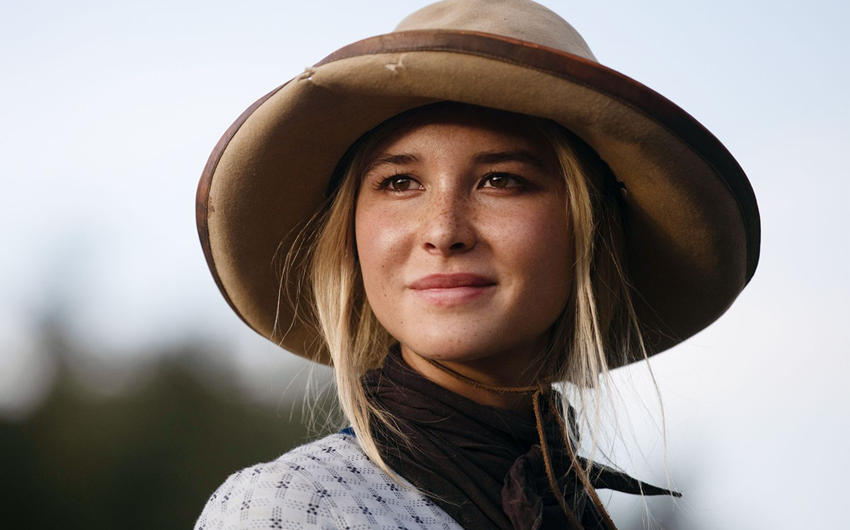
- Portrayed by: Isabel May
- Known for: Coming-of-age journey on the Oregon Trail-style migration west
- Why she’s iconic: She turns a frontier journey into a deeply human story about identity and sacrifice
Who Is Elsa Dutton
Elsa Dutton is a fictional character and the primary narrator of 1883, the prequel series that explains how the Dutton family’s legend begins. She is the teenage daughter of James Dutton and Margaret Dutton, and she becomes the lens through which you experience the brutal beauty of the American frontier. Elsa is portrayed by actress Isabel May, whose performance gives Elsa a rare mix of softness and steel—like someone who can fall in love one minute and fight for survival the next.
Elsa starts 1883 as a young woman with big feelings and a restless spirit. She’s smart, expressive, and painfully aware that her life is about to change. As the family travels west in a wagon train, she evolves fast—because the frontier doesn’t give you time to stay innocent. What makes her unforgettable is that she doesn’t just “endure” the journey. She becomes the journey. Her narration feels like a diary from someone learning in real time what the world costs you—and what it can give back if you’re brave enough to keep going.
Why Elsa Dutton Matters In The Yellowstone Universe
In a franchise full of land battles, family feuds, and power plays, Elsa is different. She isn’t motivated by ownership. She’s motivated by meaning. That’s why her story hits so hard. She helps you understand that the Dutton legacy isn’t just about controlling a ranch—it’s about what it took to get there in the first place.
Elsa makes the origin story emotional. Without her, 1883 could easily be “history with cowboys.” With her, it becomes a personal coming-of-age story where every river crossing, every loss, and every moment of love feels like it leaves a mark on the family’s future. If you’ve ever wondered why the Duttons fight so fiercely to keep their land, Elsa is a big part of the answer. She turns the land into a symbol of sacrifice.
Elsa’s Personality: Romantic, Fierce, And Surprisingly Honest
Elsa Dutton stands out because she’s written with contradictions that feel real. She’s romantic, but not naive for long. She’s tender, but not fragile. She wants freedom, but she also wants belonging. She can be impulsive, yet her instincts are sharp. You don’t watch her “become strong” in a cliché way—you watch her learn, adapt, and harden in places while staying emotionally alive in others.
Her honesty is part of what makes her narration so powerful. Elsa doesn’t filter her thoughts to be socially acceptable. She speaks like someone who is trying to tell the truth, even when the truth is uncomfortable. That voice gives the story weight because it doesn’t feel like a legend being polished. It feels like a real person trying to make sense of what’s happening to her.
Elsa Dutton’s Family Ties And The Weight Of Being A Dutton
Elsa’s parents are strong, complicated people, and you can feel how their expectations shape her. James Dutton is determined and protective, the type of father who carries responsibility like a weapon and a burden at the same time. Margaret Dutton is tough in a way that doesn’t need applause—she’s practical, relentless, and fiercely committed to keeping her children alive.
Elsa is caught between those forces. She loves her parents, but she also wants her own life, her own choices, her own identity. That tension becomes one of the most relatable parts of her story. Even if you’ve never been on a wagon trail, you probably recognize the feeling of growing up while your parents are still trying to control the shape of your future.
Her relationship with her younger sibling (and the family’s broader future line) quietly matters too. Elsa isn’t only living her own story—she’s part of the foundation that later Duttons stand on. Every sacrifice she makes becomes part of the family myth, whether anyone in the future knows her full truth or not.
Her Journey West And Why It Feels So Personal
The westward journey in 1883 isn’t portrayed as a fun adventure. It’s harsh. It’s exhausting. It’s full of danger and heartbreak. Elsa’s role is to translate that reality into emotion. She narrates the moments that would otherwise just look like “survival scenes,” and she makes them feel like turning points in a life.
As the wagon train moves, Elsa changes in visible ways. You watch her shed the softer parts of her early identity—not because she wants to, but because the world demands it. The journey forces her to confront fear, loss, violence, and the terrifying randomness of who lives and who doesn’t. Yet it also gives her something she never had before: clarity. Out there, far from comfort, she learns who she really is.
If you’ve ever felt like you grew up quickly because life pushed you, Elsa’s story lands hard. She’s a character who shows that survival is not only physical. It’s emotional. It’s spiritual. It’s the ability to keep choosing life even when it keeps taking things from you.
Elsa Dutton’s Love Story And What It Represents
Elsa’s love story is one of the reasons people can’t stop talking about her. It isn’t written like a simple romance. It’s written like a transformation. Love changes her—not because it “completes” her, but because it reveals parts of her she didn’t fully understand. On the frontier, love isn’t a fantasy. It’s a risk. It’s a decision to be vulnerable in a world that punishes vulnerability.
What makes Elsa’s romantic arc powerful is that it isn’t separate from the danger of the journey. It’s intertwined with it. Love becomes both an escape and a deeper kind of commitment to living fully, even when death is always nearby.
And there’s another layer: Elsa’s love story also challenges the idea that the Dutton legacy is purely one culture’s “manifest destiny” narrative. Elsa’s relationships and choices complicate the story in a way that feels intentional. A character like Elsa doesn’t let you watch the West as a clean myth. She forces you to feel the human cost of every mile traveled.
Her Voiceover Narration: The Secret Ingredient That Makes 1883 Work
Plenty of shows have big scenery and dramatic stakes. Not many shows have narration that actually adds depth instead of repeating what you can see. Elsa’s narration is different. It feels poetic without being cheesy, and raw without being melodramatic. It gives you access to her inner world in a way that makes the story feel intimate.
That intimacy is why Elsa becomes unforgettable. You don’t just observe her life. You’re inside it. You hear her hopes, her confusion, her excitement, her grief, her awe. It’s the kind of storytelling that makes you care about characters even when the plot is brutal.
Why Elsa Dutton Became A Fan Favorite So Fast
Elsa became a fan favorite because she feels like a rare kind of protagonist: she’s feminine without being delicate, strong without being emotionless, and romantic without being foolish. She doesn’t fit into a simple box, which is why she feels real.
She also represents something people crave in storytelling: a character who changes honestly. Elsa doesn’t “level up” overnight. She’s shaped by what happens to her. You can see the cost of every lesson. And because she narrates her own transformation, it feels personal rather than scripted.
Another reason she resonates is that she’s a bridge character. She connects the “old world” of the East with the harsh reality of the West. She connects family duty with personal longing. She connects survival with beauty. That blend is hard to write well, and it’s why Elsa stands out in a franchise that could have relied only on tough-guy mythology.
Elsa Dutton’s Legacy And The Meaning Of The Land
Elsa’s story helps explain why the land becomes sacred to the Duttons. It isn’t just property. It’s memory. It’s loss. It’s the place where pain was endured and where something new was born. Elsa’s journey turns the West into more than a backdrop. It turns it into a living symbol of what the family had to give up to survive.
If you’ve ever watched Yellowstone and wondered why the characters fight so fiercely—sometimes irrationally—Elsa provides emotional context. When land is tied to identity and sacrifice, it stops being negotiable. Elsa’s story is a reminder that the Dutton legacy was paid for, not inherited easily.
The Bottom Line
Elsa Dutton is the soul of 1883 and one of the most important characters in the broader Yellowstone universe because she turns history into something human. She isn’t just a narrator. She’s the reason the origin story feels heartbreaking and meaningful instead of simply “epic.” Her coming-of-age journey, her fierce spirit, her love story, and her willingness to keep living through unbearable loss make her unforgettable—and they help explain why the Dutton name becomes so obsessed with survival and legacy.
Featured image source: https://people.com/1883-star-isabel-may-says-elsa-dutton-lives-a-whole-life-in-six-months-exclusive-7547647