Kai Cenat Net Worth in 2025: Earnings, Deals, and Growth
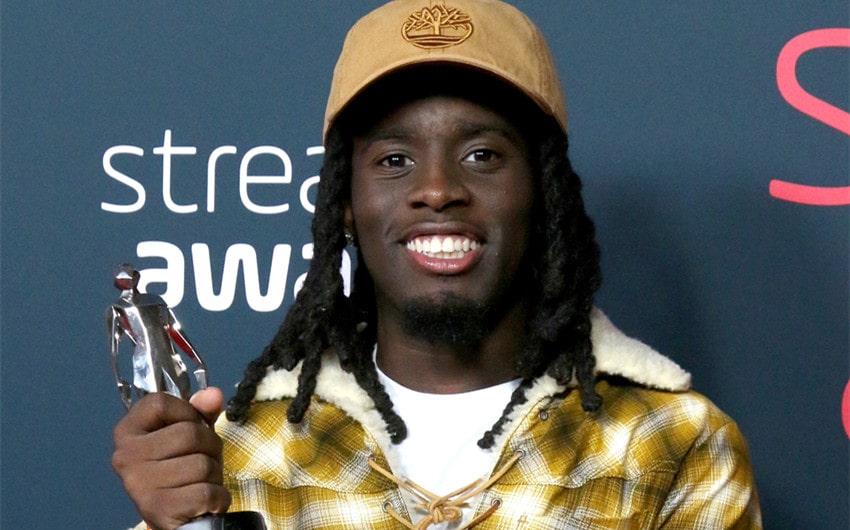
If you’re searching Kai Cenat’s net worth, you’re probably hoping for one clean number—and getting a dozen different answers instead. That’s not because the internet is broken (well, not only). It’s because a streamer’s biggest paydays often come from private sponsorship contracts, platform revenue splits, and business moves that aren’t public. The best way to understand Kai Cenat’s net worth is to look at the range most sites cite, then follow the money: Twitch, YouTube, brand deals, and the headline-making streaming events that changed his earning power.
Why Kai Cenat’s net worth is hard to pin down
Unlike a public-company CEO whose stock holdings can be calculated from filings, creators like Kai don’t have a single transparent spreadsheet the public can verify. A large part of a top streamer’s “wealth” is tied to things that are real but hard to measure from the outside: ongoing brand relationships, negotiation leverage, and the long-term value of a personal brand that can sell anything from subscriptions to sponsorship packages.
So when you see different net worth figures online, it usually means different websites are making different assumptions about the same core question: how much he earns, how much he keeps, and how valuable his brand is beyond platform payouts.
What is Kai Cenat’s net worth in 2025?
There isn’t an official, universally confirmed number. Most public estimates land in a broad multi-million range, with two commonly cited “bookends” appearing again and again:
Some finance and business-oriented sites place him around the mid-teens (roughly the $10M–$15M range). Other celebrity-focused trackers push much higher, sometimes into the $30M+ range.
If you want the most responsible way to say it, it’s this: Kai Cenat’s net worth is generally estimated in the tens of millions, and the exact figure varies depending on how a source values his sponsorships, business momentum, and future earning potential.
A quick snapshot of why he’s in a different tier
Kai isn’t just popular—he’s become a mainstream entertainment force. Being recognized on major “top creator” lists and consistently pulling massive live audiences changes the business model. At a certain level, streaming becomes less like “content creation” and more like running a media company, complete with production, staffing, branding, and recurring revenue streams.
That scale matters because net worth doesn’t grow just from one paycheck. It grows from repeatable systems that keep earning even as trends change.
Twitch: the engine behind the biggest headlines
For most people, Twitch is the first thing they associate with Kai’s money—and for good reason. Twitch revenue can come from a few main buckets: subscriptions, ads, Bits/cheers, and event-driven spikes when the whole internet is watching.
Kai’s record-setting subscriber moments are especially important because they show the ceiling of what live streaming can generate. When a streamer can mobilize huge paid support during a marathon event, it doesn’t only create a big month—it also raises their “market price” for future sponsorships. Brands pay more when the audience is proven, consistent, and emotionally invested.
At the same time, it’s smart to keep expectations realistic. A huge subscriber count doesn’t equal pure profit. There are platform splits, taxes, and real operating expenses—teams, production setups, travel, security, and the cost of running a major live event. Still, Twitch remains the core engine that powers the rest of the money stack.
YouTube: the long-tail income stream
If Twitch is the live show, YouTube is the library—and libraries keep paying.
YouTube content (highlights, reaction clips, edited moments, and standalone videos) can continue generating revenue long after a stream ends. It also acts like a funnel: viewers who discover Kai through YouTube often become Twitch viewers, and Twitch viewers often watch the best moments again on YouTube.
This matters for net worth because it creates something creators need for long-term stability: income that doesn’t require being live every single day. When you combine live streaming with evergreen video income, you get a more resilient business.
Sponsorships and brand deals: where the numbers can jump fast
For top creators, brand deals can be the biggest swing factor—sometimes larger than platform payouts, especially during major events.
The reason is simple: advertisers love attention, and live streaming offers something rare—real-time engagement. A sponsor isn’t just buying views; they’re buying the moment. When Kai runs a major stream and the internet treats it like an event, sponsors get cultural relevance along with exposure.
This is also why net worth estimates vary so much. Sponsorship contracts are private. One site might assume conservative deal sizes, while another might assume top-of-market rates based on his reach. Both approaches can produce very different “net worth” totals even if they agree on the basics.
Merch and fan-driven drops
Merchandise is often underestimated because it’s not always public, but it can be a meaningful layer of income for creators with strong community identity.
Kai’s audience isn’t just watching casually—they’re participating. That kind of community turns merch into something closer to membership than clothing. And when merch is tied to a major streaming event or viral moment, it can sell in waves.
Merch alone usually doesn’t define a net worth, but it helps diversify income—and diversification is how creators protect themselves from platform volatility.
Events, appearances, and the “mainstream expansion” effect
Another reason Kai’s wealth conversation keeps growing is that he’s not confined to one platform. As creators become household names, they start getting opportunities that look more like traditional entertainment: appearances, collaborations, hosted segments, live events, and crossovers that pull in audiences who don’t even watch Twitch.
That kind of expansion matters because it can raise earning potential across the board. The more mainstream your name becomes, the more brands are willing to pay for association—and the more negotiating power you have with platforms.
The moments that likely boosted his negotiating leverage
Net worth isn’t only about what you earned last month. It’s also about leverage—how expensive it is to hire you, sponsor you, or sign you to a platform.
Kai’s record-setting streaming milestones gave him a powerful bargaining position: he’s proven he can drive massive paid support and sustained attention. And when streamers reach that level, platform competition becomes real. Public conversation around major platform offers—even when details aren’t fully verifiable—signals something important: platforms see him as valuable enough to fight over.
That kind of leverage often leads to better terms, higher sponsorship rates, and more favorable business opportunities, which all feed into net worth growth.
A simple way to understand “net worth” for streamers
Net worth is not the same thing as income. It’s what someone owns (assets) minus what they owe (liabilities).
For a creator, assets might include cash, investments, business ownership, and any long-term rights or equity tied to deals. Liabilities might include taxes, business expenses, and the costs of running a larger operation. Streamers at Kai’s level typically have teams, production budgets, and operational costs that the public never sees.
That’s why net worth is tricky: you can know someone makes a lot, but you can’t easily know what they keep, what they reinvest, or how they structure their finances.