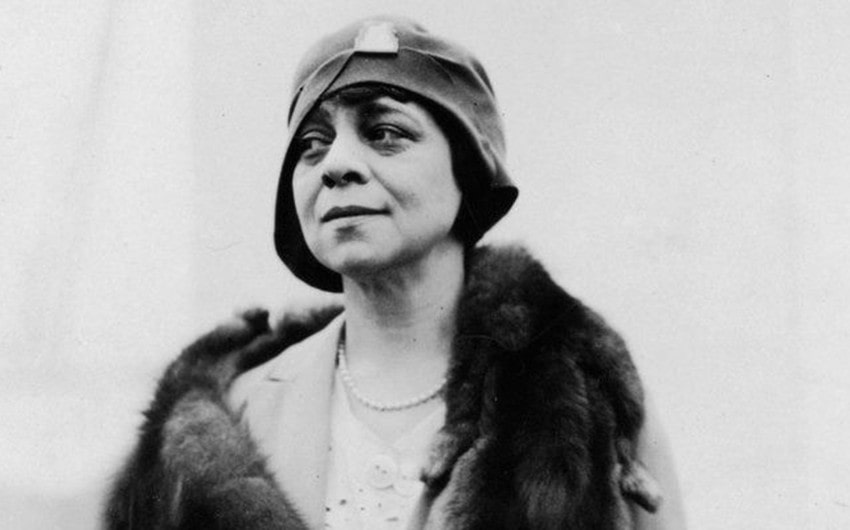
Understanding the Belle da Costa Greene Husband Story and the Mystery Behind Her Personal Life
If you’re fascinated by hidden history, you’ve probably wondered about the Belle da Costa Greene husband story and whether one of the most influential women in American cultural history ever married. Belle da Costa Greene, the groundbreaking librarian and curator who helped build the Morgan Library’s world-famous collection, lived a life filled with brilliance, secrecy, and bold independence. When you explore the truth about her relationships, you uncover a deeply human story shaped by personal sacrifice, resilience, and the complexities of identity.
Who Was Belle da Costa Greene? A Quick Look Before Exploring Her Husband Story
Before diving into the Belle da Costa Greene husband question, it’s important to understand who she was and why her love life remains such a topic of interest.
Belle da Costa Greene, born Belle Marion Greener in 1879, became one of the most powerful and respected figures in the early 20th-century art and rare-book world. She served as:
- The personal librarian and trusted advisor to J.P. Morgan
- The first director of the Morgan Library & Museum
- A pioneering woman in a male-dominated field
- A cultural tastemaker and international force in manuscript collecting
She was brilliant, stylish, intimidating, and unforgettable. Belle wasn’t just a librarian—she was a strategist, negotiator, historian, scholar, and icon.
And perhaps most famously, she lived her life passing as a white woman of Portuguese descent to escape racial discrimination—when in reality, she was the daughter of the first Black graduate of Harvard, Richard T. Greener.
Her entire life was built on careful choices, secrecy, and survival. That complexity deeply influenced her relationships—and is central to the answer about her “husband.”
Did Belle da Costa Greene Ever Have a Husband?
The most direct answer is:
No. Belle da Costa Greene never married.
She remained single throughout her life despite many opportunities, romantic interests, and close male companions.
This surprises many readers because Belle was known for her charisma, confidence, and social life. She was magnetic—men adored her, colleagues respected her, society observed her, and powerful figures admired her intelligence and authority.
But marriage was something she never chose.
Why Belle Never Married: A Life Shaped by Identity and Sacrifice
When exploring the Belle da Costa Greene husband question, it’s essential to understand why marriage was complicated—in some ways, impossible—for her.
Her decision not to marry was rooted in:
1. Her Racial Identity and Family Secret
Belle lived her public life as a white woman of Portuguese descent, a fiction she and her family maintained for survival. Marriage risked exposing her true heritage, especially if her husband questioned inconsistencies or discovered family details.
Marriage would have placed her secret—and therefore her safety, reputation, and livelihood—at risk.
2. Her Ambition and Career Dominance
Belle was a woman with purpose. She built the world’s greatest private library and became an international force in art collecting.
Marriage, at that time, often meant giving up or limiting a career. Belle refused to shrink herself.
She once famously said:
“Just because I am a librarian doesn’t mean I have to dress like one.”
She embraced independence entirely.
3. Her Desire for Personal Freedom
Belle enjoyed her autonomy—financial, social, and personal. Marriage in the early 1900s came with expectations she simply didn’t want.
She valued:
- Travels
- Social circles
- Intellectual life
- Control over her decisions
- Privacy
Love interested her. Constraint did not.
4. The Emotional Cost of Her Passing Identity
Because she lived as a white woman, forming deep, vulnerable relationships came with risks. She would have had to hide parts of her family history from a spouse.
She once expressed that her life was built on “a tragic lie,” but she believed it was necessary. That emotional burden shaped every relationship she formed.
Her Long-Term Relationship With Bernard Berenson
Although Belle da Costa Greene never had a husband, she did have one intense, passionate, decades-long romantic relationship—with the celebrated art historian Bernard Berenson.
Bernard Berenson was:
- A world-renowned expert in Renaissance art
- A critic, author, and advisor to wealthy collectors
- Married to Mary Berenson (their marriage was emotionally distant but legally intact)
- A charismatic intellectual with whom Belle shared deep artistic connection
Belle and Bernard developed a romantic and intellectual relationship that lasted more than 40 years.
Their letters—which survive—reveal:
- Desire
- Admiration
- Intimacy
- Conflict
- Indescribable affection
- Mutual dependence
- Emotional vulnerability
Despite their strong bond, they never married and could not do so, as Bernard remained married and Belle chose to stay independent.
Their relationship was unconventional but deeply meaningful. They were, in many ways, soulmates who lived at a distance—emotionally close, physically apart, spiritually entwined.
Her Love Life Beyond Berenson: A Woman Loved by Many
Belle had other romantic interests throughout her life. She was admired widely and had many male companions, including socialites, collectors, and scholars.
She was described as:
- Flirtatious but guarded
- Alluring but mysterious
- Passionate but private
Belle knew how to command attention, and men were drawn to her confidence.
But she kept her personal life carefully compartmentalized. No man ever became a “husband” because she never gave up her power or independence.
Why the Belle da Costa Greene Husband Story Remains Fascinating
People continue to ask about Belle’s husband because:
1. She was a woman ahead of her time.
An unmarried woman with such authority in 1900–1930? That alone makes her intriguing.
2. She lived a life shaped by secrecy.
Her racial identity was hidden, which creates natural curiosity about her private world.
3. She was emotionally complex.
Her letters, photos, and journals show a woman who loved deeply but protected herself fiercely.
4. She was romantically attached—but unmarried.
Her bond with Bernard Berenson is one of the great “almost love stories” in history.
5. Her independence was radical.
Belle proved that marriage isn’t required to build legacy, influence, or brilliance.
A Life Defined by Freedom, Love, and Courage—not a Husband
At the end of the day, the Belle da Costa Greene husband story is not a story of marriage but a story of:
- Autonomy
- Identity
- Hidden truths
- Quiet heartbreak
- Ambition
- Power
- Purpose
- A brilliant mind navigating an unequal world
Belle chose not to marry because marriage would have restricted her in every way she refused to be restricted. Instead, she built a monumental cultural legacy, shaped the art world, and lived life on her own terms—despite the sacrifices required.
Her independence is part of what makes her unforgettable.
Featured image source: Pinterest