Hamish Harding Net Worth in 2026: Estimated Value and Wealth Breakdown
Hamish Harding net worth is one of those searches where the internet confidently throws around giant numbers, but the actual evidence is thin. After the 2023 Titan submersible tragedy, headlines and social media posts repeatedly labeled Harding a “billionaire,” yet no official, publicly audited figure was ever released. Because his businesses were private and his finances were not disclosed in a way the public can independently verify, the most responsible answer in 2026 is not a single “exact” number. It’s an estimate range, explained through the real-world businesses and income streams that clearly made him wealthy.
Who Was Hamish Harding?
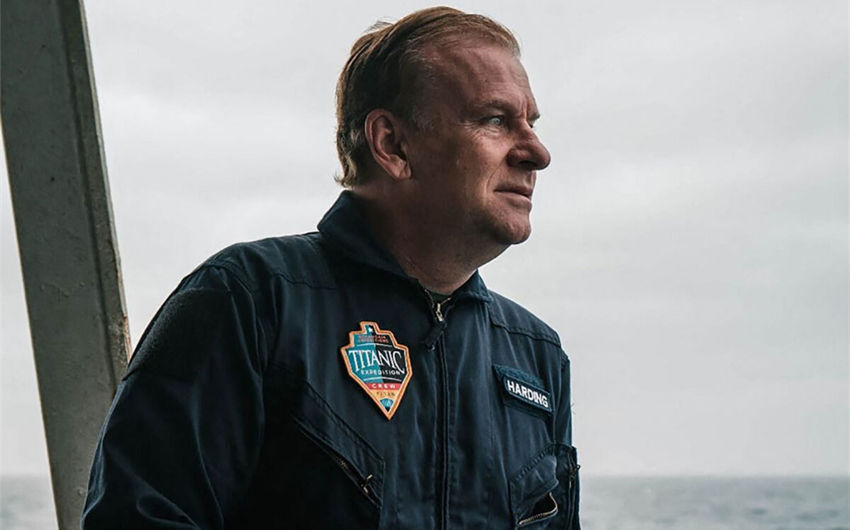
Hamish Harding (George Hamish Livingston Harding) was a British businessman based in the UAE who became globally recognized as both an aviation entrepreneur and an extreme adventurer. Professionally, he was closely associated with private aviation dealmaking and aircraft brokerage. Publicly, he was known for high-profile exploration: participating in expeditions that included deep-ocean missions and space tourism, along with record-setting adventures that pushed him into mainstream headlines even before 2023.
Harding died in June 2023 while onboard the OceanGate Titan submersible during an expedition to the Titanic wreck site. The tragedy, and the enormous media attention that followed, caused many sites to repeat net worth claims without proof. That’s why his finances are still widely misunderstood: his fame spike came from a global news event, not from the kind of public entertainment career where salaries and contracts are often reported.
Estimated Net Worth
Hamish Harding’s net worth in 2026 is best described as not publicly verified. However, based on the types of businesses he led, the most realistic estimate is that he was a very wealthy multimillionaire, likely in the tens of millions and possibly reaching into the low hundreds of millions, depending on how his private holdings were valued.
Why not “billionaire”? Because there’s a big gap between “very rich” and “verified billionaire.” A billionaire label typically has supporting proof: public filings, major disclosed transactions, verified asset lists, or placement on widely followed wealth rankings that require documentation. In Harding’s case, public references to billionaire status were often repeated as a headline descriptor rather than backed by transparent financial evidence. That doesn’t mean he wasn’t exceptionally wealthy. It means the public cannot responsibly treat a billion-dollar figure as confirmed.
So if you want a clean takeaway: he was almost certainly a high-level multimillionaire, but his exact net worth was never confirmed publicly.
Net Worth Breakdown
1) Aircraft brokerage and private aviation deal income
The strongest foundation behind Harding’s wealth is private aviation. Aircraft brokerage can be extremely lucrative because the deals are large and the commissions and fees can be significant. In the private jet world, the transaction value of a single aircraft can range from millions to tens of millions of dollars, and large-cabin jets or specialty aircraft can go far higher. A brokerage business operating in that space can generate substantial revenue even with a relatively small number of transactions per year.
Just as important, the clientele for that market is ultra-wealthy. Serving ultra-high-net-worth clients often means repeat business: aircraft upgrades, fleet changes, special charter needs, and ongoing consulting around acquisitions and sales. A successful broker doesn’t rely on one big year. They build a pipeline and a reputation that keeps deals flowing. For net worth, that matters because it suggests Harding’s wealth likely came from a long-running, high-margin niche rather than a single windfall.
2) Founder advantage and equity ownership
The most powerful wealth lever for entrepreneurs is ownership. If Harding was not merely an employee but a founder and long-term leader of private businesses, then a meaningful portion of his net worth likely lived in equity rather than salary. Equity is the difference between “earns a lot” and “is worth a lot.”
This also explains why public estimates vary so wildly. A private company’s value depends on assumptions: revenue, profit margins, deal pipeline strength, market conditions, and how a potential buyer would value the brand and client relationships. Without audited statements and a public sale, outside observers can’t easily determine whether a company is worth $10 million, $50 million, or $200 million. If Harding held significant equity, his net worth could shift dramatically depending on the valuation method.
3) Private investment activity and long-term holdings
In addition to aviation, Harding was associated with private investment activity. A private investment platform can build wealth through stakes in multiple businesses, not just one operating company. That means net worth may include:
• ownership in private companies
• returns from investments over time
• proceeds from exits or partial sales
This category is especially important because it often creates “hidden wealth.” Unlike a celebrity whose income is visible through contracts, an investor’s wealth can be mostly invisible to the public unless a major transaction is disclosed. If Harding had meaningful holdings across different sectors, that would support the idea of substantial multimillion wealth even if the exact number remains unknown.
4) Speaking, appearances, and “prestige income”
Harding’s public identity as an adventurer likely created secondary opportunities that can produce income or valuable perks. High-profile explorers and business figures sometimes earn through speaking engagements, event appearances, sponsorship-related partnerships, or advisory roles connected to industries like aviation, exploration, or innovation.
This lane usually isn’t the main engine compared to business ownership, but it can still add meaningful money over time. It can also reduce personal costs by providing access, invitations, or collaboration opportunities that might otherwise be extremely expensive.
5) The cost side: why big wealth doesn’t always mean “billionaire”
Harding’s lifestyle and expeditions signaled substantial resources, but they also signaled substantial spending. Extreme exploration is expensive. Even for wealthy people, participation in high-profile missions can require major outlays, along with travel, logistics, insurance, equipment, and professional support.
There’s also the reality of business overhead. Running aviation and investment operations at a global level can be costly: staffing, compliance, legal support, travel, and the relationship-building required to serve elite clients. These expenses don’t cancel wealth, but they do matter when you’re trying to distinguish between “rich enough to do incredible things” and “verified billionaire.” A person can be worth tens of millions and still afford extraordinary experiences, especially if they’ve built a long-term income machine and have access to high-end networks.
6) Why online net worth numbers got inflated
After the Titan tragedy, the news cycle was intense and emotionally charged. In that environment, simplified labels spread quickly, and “billionaire” is one of the most common shorthand descriptors used for wealthy passengers in high-profile incidents. Once repeated a few times, it can become treated like a fact, even if it wasn’t verified originally.
This is why Harding’s net worth should be framed carefully: not because he wasn’t wealthy, but because the public doesn’t have confirmed documentation for an exact number.
Featured Image Source: https://www.marca.com/en/lifestyle/celebrity-net-worth/2023/06/20/64918db1268e3efc548b45b7.html