What Is Katt Williams Net Worth in 2026? Estimated Value and Breakdown
If you’re asking, “what is Katt Williams net worth,” you’re really trying to make sense of a career that’s been loud, profitable, unpredictable, and still commercially powerful. Katt isn’t the kind of entertainer whose wealth comes from one payday or one clean business lane. He built his money the classic stand-up way: by selling tickets, staying in demand, and turning every new wave of attention into another run of live shows. That matters because touring is where comedy fortunes are made—and Katt has proven he can still move tickets at a high level.
Who Is Katt Williams?
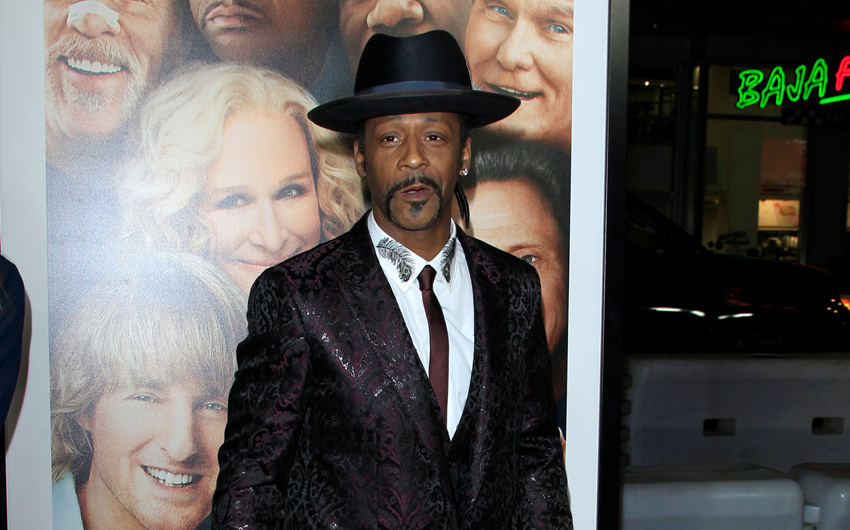
Katt Williams (born Micah Williams) is an American stand-up comedian and actor known for fast-paced delivery, sharp cultural commentary, and a stage presence that feels equal parts preacher, storyteller, and disruptor. He broke through in the early 2000s, built a huge fanbase through stand-up specials and touring, and became even more mainstream through acting roles that turned him into a pop-culture staple.
What separates Katt from a lot of comics is that he’s never been “just a club comedian.” At his peaks, he’s been an arena-level draw. And even when his public life has been messy, his ability to generate attention has consistently fed his core business: people want to see him live. In comedy, that’s the main thing that keeps wealth durable. A comedian who can sell tickets has leverage, and leverage turns into bigger guarantees, better splits, and more control over how the money flows.
Estimated Net Worth
Katt Williams’ net worth in 2026 is most commonly estimated at around $20 million. You’ll see different numbers online, but $20 million shows up repeatedly as the “standard” public estimate. Like almost every celebrity net worth figure, it’s not a verified personal balance sheet. It’s an informed approximation based on public career scale, the earning potential of his touring footprint, and the fact that he continues to land and release high-profile comedy specials.
It’s also worth saying out loud: net worth is not the same as gross tour revenue. A tour might generate huge ticket sales, but that money gets split and spent. Promoters take a cut. Venues take a cut. Production costs eat a lot. Taxes eat more. So when you see big touring headlines, the correct takeaway isn’t “he pocketed all of that.” The correct takeaway is, “he’s operating at a level where the profit can still be enormous even after the machine is paid.”
Net Worth Breakdown
1) Touring income as the main wealth engine
For elite comedians, touring is the closest thing to a reliable cash machine. Specials make you famous, but live shows make you rich. When a comic sells out theaters or arenas, the money isn’t just ticket sales. It’s also VIP add-ons, premium seating packages, merchandise, and the ability to negotiate better terms the next time around.
Katt’s touring strength matters because it’s repeatable. A comedian who can tour successfully can generate income on demand, especially if the fanbase is loyal and the show is a “must-see” event. If he has a year with a strong run of dates, that can materially lift his net worth. And if he strings together multiple strong tour cycles across several years, that’s how eight-figure wealth becomes realistic and sustainable.
The hidden detail here is how touring profits actually work. Bigger venues can mean bigger money, but they also mean bigger costs: more staff, more security, more production, more travel complexity, and bigger insurance obligations. The reason touring still dominates net worth is that the upside scales faster than the expenses when demand is strong.
2) Comedy specials and streaming deals
Streaming specials can be a major net worth accelerant because they do two things at once. First, they pay directly through a deal for the special. Second, they boost the value of the live tour that follows. When a special drops and the internet starts quoting it, the tour becomes hotter. Hotter tours sell faster, allow higher ticket pricing, and often support bigger venues.
For Katt, specials are not just artistic milestones. They’re marketing weapons that refresh his audience and keep him culturally present. That cultural presence is valuable because it helps him stay at “headline” level rather than “legacy act” level. In net worth terms, specials are often less about the exact one-time check and more about the ripple effect that increases touring profit.
3) Acting roles and entertainment income outside stand-up
Acting is rarely the biggest money lane for a stand-up legend compared to touring, but it adds real income and expands visibility. Film and TV roles can create steady checks, and they keep a comedian’s name circulating even when they’re not on stage every night.
Acting also strengthens brand value. When you’re remembered for iconic roles, you become a more “bookable” name. That can help with everything from touring promotion to negotiating fees for appearances. Think of acting income as both direct money and an indirect booster that supports the core engine (touring).
4) Merchandise and fan-driven sales
Merch is often one of the most profitable parts of a tour because the margins can be strong and the audience is already emotionally invested. Comedy merch works best when a comedian has a distinct identity, recognizable visuals, and quotable moments that fans want to take home. Katt fits that profile. His brand is bold, specific, and instantly recognizable, which is exactly what sells merchandise.
This category is usually underestimated because merch numbers are rarely public. But if you understand touring economics, it’s hard to imagine a large-scale comedy tour without meaningful merch revenue. Even if merch isn’t the biggest slice, it’s often a meaningful add-on that increases total profit per tour run.
5) The costs that can pull net worth down
Net worth is what you keep, and Katt’s career includes factors that can reduce retained wealth even when income is high. Touring is expensive. Elite production doesn’t run itself. There’s also the reality that legal issues and public controversy can create costs over time. Legal representation, settlements, schedule disruptions, and missed opportunities can all affect how much wealth actually compounds.
Another quiet factor is taxes. High-income years can be extremely tax-heavy, especially when money flows through multiple states and venues. A comedian can generate enormous revenue and still retain far less than fans assume if the income is not managed carefully and the overhead is high.
6) Why the “around $20 million” estimate is believable
So why do most public estimates land around $20 million? Because Katt’s career has the kind of revenue lanes that support it: major touring years, high-profile specials that keep him in demand, and enough long-term fame to keep his ticket-selling power alive. He doesn’t need to be perfectly consistent every year to maintain a strong net worth. One especially successful tour cycle can move the needle dramatically. A special can refresh demand. And the loop repeats: attention drives ticket sales, ticket sales drive profit, profit supports wealth.