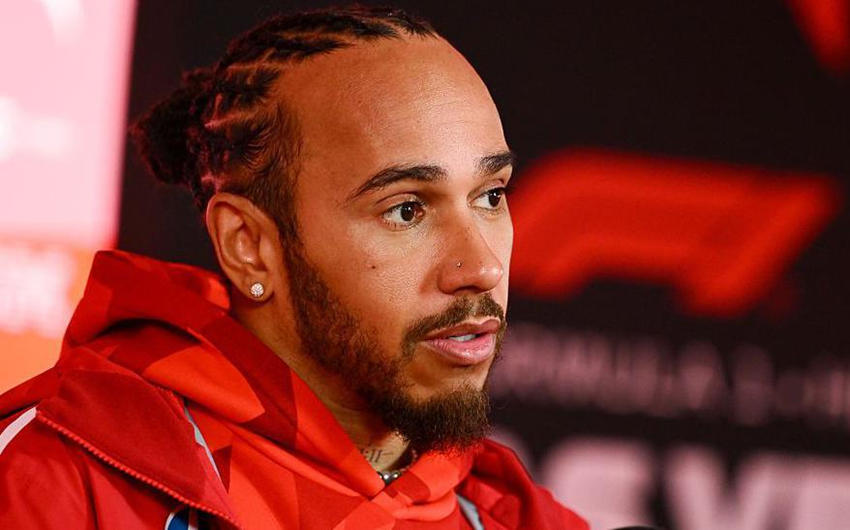
Lewis Hamilton Net Worth In 2026 How Much He’s Worth And Why
If you’re wondering about Lewis Hamilton net worth, you’re not alone—because his money doesn’t come from one paycheck. Hamilton is a rare athlete whose wealth is built from three massive pillars at once: a top-tier Formula 1 salary, long-running endorsement power, and business investments that keep growing even when he’s not racing. In 2026, most realistic estimates place Lewis Hamilton’s net worth in the $350 million to $500 million range, with many figures clustering around about $450 million.
That range matters, because Hamilton’s finances aren’t fully public and his assets (like investments and real estate) can shift in value. But if you want the simplest takeaway: he’s one of the wealthiest drivers in F1 history, and his net worth is now closer to “global icon” territory than “sports star” territory.
Quick Facts About Lewis Hamilton
- Full name: Sir Lewis Carl Davidson Hamilton
- Born: January 7, 1985
- Nationality: British
- Sport: Formula 1
- Championships: Seven-time F1 World Champion
- Team era highlight: Historic dominance during his Mercedes years
- 2026 wealth estimate: Roughly $350M–$500M (often cited near $450M)
- Why he’s so valuable: Performance + global brand appeal + business diversification
Lewis Hamilton Net Worth In 2026 A Realistic Range
In 2026, a realistic estimate for Lewis Hamilton’s net worth is around $350 million to $500 million. You’ll see different numbers online because no single source can verify:
- exact contract terms (including bonuses)
- how his endorsement deals are structured
- how much equity he holds in various ventures
- what his real estate portfolio is worth today
But the overall picture is clear: Hamilton’s wealth is enormous, and it’s built on long-term earning power, not a one-time windfall.
Why Lewis Hamilton’s Net Worth Is So High
Most athletes get rich from salary, then try to figure out business later. Hamilton did both at the same time—while also turning himself into a cultural figure who can sell products, partnerships, and projects at a premium.
In practical terms, his net worth is high because he has:
- Elite F1 compensation at the top of the sport’s pay scale
- Decade-plus sponsorship strength with luxury and global consumer brands
- Investments and ownership positions that keep compounding
- Real estate and asset building typical of ultra-high earners
How Lewis Hamilton Makes His Money
1 Formula 1 Salary And Performance Bonuses
Hamilton’s on-track earnings are the foundation. By 2026, he’s still positioned as one of the highest-paid drivers in the sport. Reports around his Ferrari-era compensation often center on a base salary figure in the tens of millions per year, with upside from performance bonuses and deal structure.
Here’s what many people miss: in F1, a driver’s “salary” isn’t always the full story. Top contracts can include:
- championship and win bonuses
- podium and points incentives
- marketing and ambassador obligations (sometimes paid separately)
- image rights arrangements that can be extremely valuable
So even if you hear one headline number, Hamilton’s total annual compensation can be much higher depending on performance and commercial terms.
2 Endorsements And Sponsorship Deals
This is where Hamilton’s wealth jumps into another category. He’s not just a driver—he’s a global marketing asset. His sponsor roster has consistently leaned premium, spanning fashion, lifestyle, luxury, and mainstream global brands.
Endorsement income matters because it can rival (or sometimes exceed) the driver salary—especially for athletes who are marketable beyond their sport. In Hamilton’s case, his brand is built around performance, style, activism, and cultural relevance. That combination is rare, and brands pay more for rare.
Endorsement money can include:
- multi-year ambassador contracts
- campaign fees (photo shoots, launches, advertising usage rights)
- limited-edition collaborations
- equity-style deals (when a brand offers ownership or profit participation)
Even when the public doesn’t know exact contract numbers, the pattern is obvious: Hamilton has been one of the most marketable athletes in the world for years, and that has a huge impact on net worth.
3 Business Ventures And Brand Ownership
Hamilton’s wealth isn’t just “earned.” It’s “built.” Over time, he’s expanded into ventures that look like long-term ownership plays rather than quick influencer checks.
Some of his business activity has included:
- fashion and apparel initiatives (including his own branding work)
- media and production projects that extend his influence into entertainment
- consumer brand ventures in lifestyle categories
- strategic investments that diversify him beyond racing
This category is important because it’s where net worth can compound. Salary is great, but ownership is what creates “still rich in 20 years” money.
4 Sports Ownership And High-End Investing
Hamilton has also been linked to sports ownership-style investing, which is a classic move for ultra-wealthy athletes. Sports franchises tend to appreciate over time, and even minority stakes can become extremely valuable as valuations rise.
This type of asset can quietly add tens of millions to net worth over the long run, even if it doesn’t show up as “cash in hand” today.
5 Real Estate And Lifestyle Assets
At Hamilton’s income level, real estate typically becomes both lifestyle and financial strategy. Property can serve as:
- a store of wealth (especially in premium global markets)
- a diversification tool outside stocks and business ventures
- a long-term asset base that supports net worth even after retirement
Because private real estate holdings aren’t always fully public, they’re one of the reasons net worth estimates vary so much. A single high-value property decision can move an estimate by millions.
What Makes Hamilton Different From Other Rich Drivers?
Many F1 champions earn huge salaries. Fewer become true global icons who can monetize across industries. Hamilton’s difference is that he built a brand that works in multiple worlds at once:
- sport (historic performance and records)
- fashion (front-row relevance, luxury partnerships)
- culture (visibility beyond racing fans)
- business (ventures and investments)
That multi-lane influence is why his net worth isn’t just “high for a driver.” It’s high compared to most athletes, period.
The Costs People Forget When Estimating His Wealth
Even at this level, net worth isn’t just income added up forever. Hamilton also has significant “hidden” expenses that people don’t think about:
- taxes (often the largest single expense in high-income years)
- management fees (agents, lawyers, accountants, business managers)
- security and logistics (especially for a global celebrity)
- brand and PR operations (protecting value requires infrastructure)
- investments that don’t always win (not every venture pays off equally)
This is why it’s smarter to talk in ranges: the money is huge, but the financial picture is complex.
Will Lewis Hamilton’s Net Worth Keep Growing?
If Hamilton continues racing, signing premium partnerships, and expanding ownership-style ventures, his net worth can absolutely keep rising. The biggest long-term accelerators are:
- ownership and equity (business stakes that grow in value)
- media and production expansion (projects that create lasting royalties)
- brand longevity (staying culturally relevant increases deal quality)
- smart investing (real estate and diversified assets that compound)
In other words, Hamilton isn’t only earning for today—he’s building a post-racing wealth engine.
Bottom Line
Lewis Hamilton net worth in 2026 is most realistically estimated around $350 million to $500 million, with many figures landing near $450 million. He built that wealth through top-tier F1 earnings, massive endorsements, and business diversification that turns his fame into long-term assets.
If you want the simplest way to think about it: Hamilton isn’t just one of the greatest drivers ever—he’s one of the most financially powerful athletes in the world because he turned performance into a global brand and a real business portfolio.
Featured image source: https://www.bbc.com/sport/formula1/articles/c0qpq75w57qo