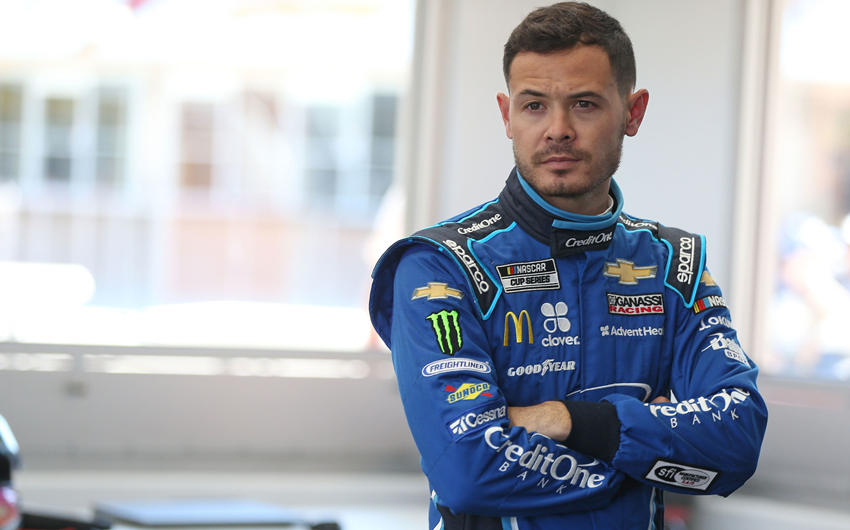
Kyle Larson Net Worth In 2026: Earnings, Wins, Sponsors And Business Income
If you’re searching kyle larson net worth, you’re basically trying to answer a bigger question: how wealthy can a modern NASCAR superstar get when you combine race winnings, a top-tier contract, and major sponsor money? The realistic answer is that Kyle Larson’s net worth in 2026 is commonly estimated in the $10 million to $20 million range, with some estimates pushing higher depending on how people value his Hendrick Motorsports compensation, bonuses, endorsements, and assets like real estate.
Because driver contracts and endorsement terms are private, there’s no single “official” number you can verify from a public pay stub. But you can understand what his net worth likely looks like by breaking down how NASCAR drivers actually earn, why Larson is in the top-earning tier, and what income streams keep paying even when the season ends.
Quick Facts About Kyle Larson
- Full name: Kyle Miyata Larson
- Known for: NASCAR Cup Series champion-level performance and versatility across racing disciplines
- Primary series: NASCAR Cup Series
- Team: Hendrick Motorsports (widely viewed as a premier organization)
- Main income sources: Salary/contract, race winnings and bonuses, sponsorships, endorsements, merch, and racing-related ventures
- Estimated net worth (2026): Commonly discussed around $10M–$20M
Kyle Larson Net Worth In 2026 A Realistic Range
A realistic estimate for kyle larson net worth in 2026 is generally in the $10 million to $20 million range. If you’ve seen higher numbers online, those typically assume:
- very large annual compensation with strong performance bonuses
- premium endorsement deals because of star status
- significant accumulated assets (property, investments, ownership stakes)
If you’ve seen lower numbers, those usually assume:
- high taxes and management costs
- the expensive reality of racing life (travel, training, PR, staffing)
- that not all sponsor money flows directly to the driver personally
The clean takeaway: Larson is almost certainly a multi-millionaire, and his earning power places him in the upper tier of NASCAR drivers. The exact net worth figure is an estimate because his full asset picture isn’t public.
Why Kyle Larson’s Net Worth Is Hard To Pin Down Exactly
Even though NASCAR is a major sport, driver finances can be surprisingly private. Here’s why your Google search won’t give you a perfect number:
- Contracts are confidential: Base salary and bonus structures are rarely published in full.
- Sponsor money is complicated: Some funds go to the team operation, some to the driver, and some to both.
- Bonuses vary: Wins, playoffs, championships, and even leading laps can change annual earnings.
- Expenses are real: Teams around the driver (management, PR, training, travel) cost money.
- Assets aren’t public: Property, investments, and business stakes are mostly private.
So the smartest way to understand his wealth is to focus on the structure of how he earns.
How Kyle Larson Makes His Money
Kyle Larson doesn’t earn like a typical athlete with one salary and a few endorsements. NASCAR drivers often earn from a layered model that rewards performance and marketability. Larson’s advantage is that he has both: he wins, and he draws attention.
1 Cup Series Contract And Team Compensation
For elite drivers, the core income usually starts with a contract that includes:
- base salary (the “guaranteed” part)
- performance bonuses (wins, top-5s, top-10s, playoff advancement)
- championship bonuses (often the biggest payout lever)
Being in a top organization matters because top teams provide better equipment and support, which increases the chance of wins. More wins typically equals more bonuses. So when you’re thinking about kyle larson net worth, remember that his contract value isn’t just a number—it’s tied to how often he’s in contention.
2 Race Winnings And Prize Money
Race winnings are part of the picture, but many fans misunderstand them. In NASCAR, prize money can flow through the team structure rather than landing directly in a driver’s pocket like a single check. The driver’s share depends on contract terms and team arrangements.
Still, for a driver who consistently contends, prize-related income tends to support a strong annual earnings base—especially when combined with bonuses. Even when the prize money isn’t “the main thing,” it reinforces the biggest thing: winning increases your value, and increased value raises every deal you sign.
3 Sponsorship Deals And Brand Partnerships
In modern NASCAR, sponsor visibility is a huge part of a driver’s financial upside. Sponsors don’t just buy a logo spot. They buy an athlete who can represent them, show up for campaigns, move product, and stay relevant.
Larson’s sponsorship earnings and brand value can come from:
- primary sponsor arrangements (the big logo on the car)
- personal endorsements separate from the team
- appearances, brand events, and marketing campaigns
- social media promotions and content partnerships
This is where star drivers separate from mid-pack drivers financially. Winning is marketing. A victory lane interview is basically a commercial that fans actually watch.
4 Merchandise And Licensing Income
Merchandise is one of those “quiet” wealth builders that can add up over time. Popular drivers can generate meaningful income from:
- licensed apparel and hats
- die-cast collectibles
- signed memorabilia
- limited drops around big wins or special events
Not all of that money goes directly to the driver (licensing splits exist), but for a driver with a loyal fan base, it becomes a steady stream that keeps working year after year.
5 Dirt Racing And Extra Events
Larson is known for racing beyond the Cup schedule, which matters because extra racing can mean extra income—either directly from winnings/fees or indirectly by increasing brand exposure.
Even when additional events aren’t massive profit centers, they can build a unique reputation: “this guy races everything.” That identity increases demand from fans and sponsors alike, and sponsor demand is often what grows net worth fastest.
6 Business Interests And Long-Term Investing
This is the part you rarely see on highlight reels, but it’s often what turns a high income into lasting wealth. Drivers who build long-term net worth typically do it through:
- real estate (homes, property investments)
- traditional market investing (retirement accounts, managed portfolios)
- ownership stakes in racing-related ventures (when applicable)
- partnership deals that include equity, not just cash
Because Larson’s private holdings aren’t public, you can’t confirm the exact structure of his assets. But at his earning level, it’s common for athletes to park money into long-term assets that stabilize wealth beyond the racing years.
What Makes Kyle Larson Financially “Top Tier” In NASCAR
To understand why he’s widely viewed as wealthy, you have to understand what creates top-tier earning power in NASCAR:
- Consistent winning potential: wins unlock bonuses and bigger sponsorship value.
- Star identity: sponsors pay more for drivers with a strong, recognizable brand.
- Elite team environment: better equipment usually means more contention and stronger contract leverage.
- Fan engagement: engagement drives merch sales and sponsor confidence.
Larson checks all of those boxes, which is why the “net worth” conversation around him tends to sit comfortably in the eight-figure zone.
Expenses People Forget About In A Driver’s Wealth
It’s tempting to see the flashy side—cars, headlines, trophies—and assume the money is pure profit. But a pro racing career comes with serious costs, including:
- management and representation: agents, managers, legal, accounting
- training and fitness: maintaining performance is an ongoing cost
- travel and logistics: even with team support, life on the road is expensive
- taxes: high-income years can take a massive bite out of take-home pay
- brand protection: PR and reputation management can be a real business expense
This doesn’t mean he isn’t wealthy—it just explains why a driver can earn millions and still have net worth grow in a steady, realistic way rather than instantly exploding.
What Could Increase Kyle Larson Net Worth Going Forward
If you’re thinking ahead, the biggest levers that could raise his net worth beyond today’s estimates are predictable:
- More championships: titles increase bonuses and create long-term sponsor leverage.
- Bigger endorsement portfolio: personal deals can scale rapidly for star drivers.
- Ownership moves: equity stakes and business ownership can out-earn salaries long-term.
- Smart investing: real estate and diversified investments can compound over time.
In other words, his net worth isn’t just about what he earns this season. It’s about how long he stays elite and what he does with the money while he’s there.
The Bottom Line
So, kyle larson net worth in 2026 is most realistically estimated around $10 million to $20 million, with the upside for higher estimates depending on private contract details, endorsement terms, and accumulated assets. He earns through a mix of Cup Series compensation, performance bonuses, sponsorships, merchandise, and racing-related opportunities—then likely grows that wealth through long-term investing and asset building.
If you want the simplest takeaway: Larson’s wealth comes from being both fast and marketable. In NASCAR, that combination is the most valuable currency you can have.
Featured image source: https://edition.cnn.com/2020/04/13/us/nascar-kyle-larson-racial-slur-spt-trnd